Tag:

Ticks

‘Zombie’ Rabbits With Bizarre Horns Alarm, Confuse Colorado Residents ‘Zombie’ Rabbits With Bizarre Horns Alarm, Confuse Colorado Residents
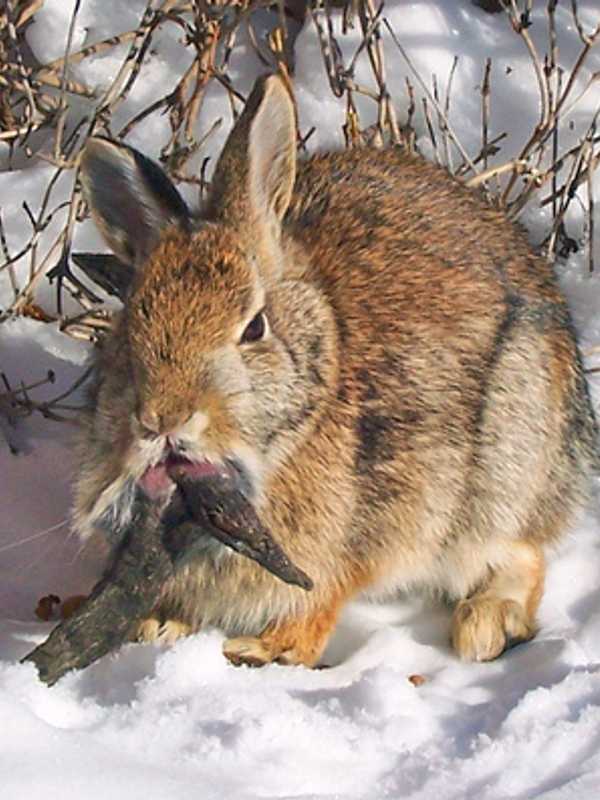
‘Zombie’ Rabbits With Bizarre Horns Alarm, Confuse Colorado Residents A parade of so-called “zombie” rabbits sporting hornlike growths has sparked confusion and concern in Colorado. Wildlife officials say there’s no cause for alarm. These unusual creatures are simply living with a harmless, century-old virus. Colorado Parks and Wildlife confirmed this week that several cottontail rabbits in Fort Collins have been spotted with strange, horn-like projections on their heads and faces. The culprit: Shope papillomavirus, a common and naturally occurring virus in wild rabbits that causes wart-like growths which can resemble horns or even tentacles. Though the app…
Dangerous Alpha-Gal Syndrome Can Be Triggered By Tick Bites Dangerous Alpha-Gal Syndrome Can Be Triggered By Tick Bites
Dangerous Alpha-Gal Syndrome Can Be Triggered By Tick Bites A tiny tick bite could trigger a lifelong change to your menu. Alpha-gal syndrome (AGS) is a potentially life-threatening allergy linked to certain ticks — most notably the lone star tick in the United States.  The culprit is a sugar molecule called alpha-gal, found in most mammals but not in humans or primates.  When a tick carrying alpha-gal bites a person, the immune system may respond by producing antibodies that set off allergic reactions to red meat and other products derived from mammals. These reactions can hit hours after eating beef, pork, lamb, venison, or foods and m…
Clone-Creating Tick Invades Connecticut: Public Health Officials Sound Alarm Clone-Creating Tick Invades Connecticut: Public Health Officials Sound Alarm
Clone-Creating Tick Invades Connecticut: Public Health Officials Sound Alarm Connecticut researchers have confirmed the presence of a fast-spreading invasive tick that could pose serious health risks to people and pets across the state. The longhorned tick, originally from eastern Asia, was recently detected during local field studies by the Connecticut Agricultural Experiment Station in partnership with the USDA. This marks another step in the tick's rapid expansion through the eastern United States. Since first being found in America in 2017, the longhorned tick has spread to at least 21 states.  “The tick will be a nuisance, and it is spreading,” Kevin Lahm…