Worcester
Your Local News for Worcester, Massachusetts
Subscribe
Subscribe
Wednesday, jun 24
75°
News
Schools
Business
Obituaries
Police & Fire
Weather
Lifestyle
Politics
Sports
Traffic
Tags
Jobs
Shop
Support Us
Worcester
Subscribe
News
Schools
Business
Obituaries
Police & Fire
Weather
Lifestyle
Politics
Sports
Traffic
Tags
Jobs
Shop
Support Us
Home
About us
All sites
Advertise with us
Contact us
Terms of use
Privacy policy
Code of ethics
Site Map
© 2026 Cantata Media
75°
Wednesday, jun 24
Tag:
Space.com
News
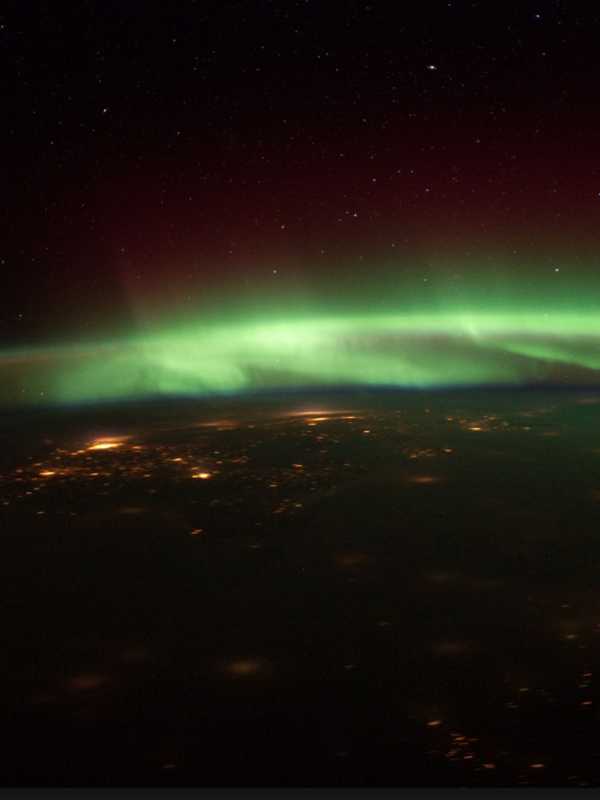
Northern Lights Will Dance Across Half Of US: Here's When To Catch Them
The Northern Lights are headed South. Forecasters say more than half of the United States may witness the Aurora Borealis on Monday, June 2, thanks to a powerful solar eruption known as a coronal mass ejection. Satellites detected the massive solar flare on Friday, launching a colossal cloud of charged particles toward Earth, according to NOAA’s Space Weather Prediction Center. The event is expected to trigger a strong geomagnetic storm, which will likely give the Northern half of the US a rare show. The aurora is usually reserved for skies near the North and South Poles, but solar e…
News
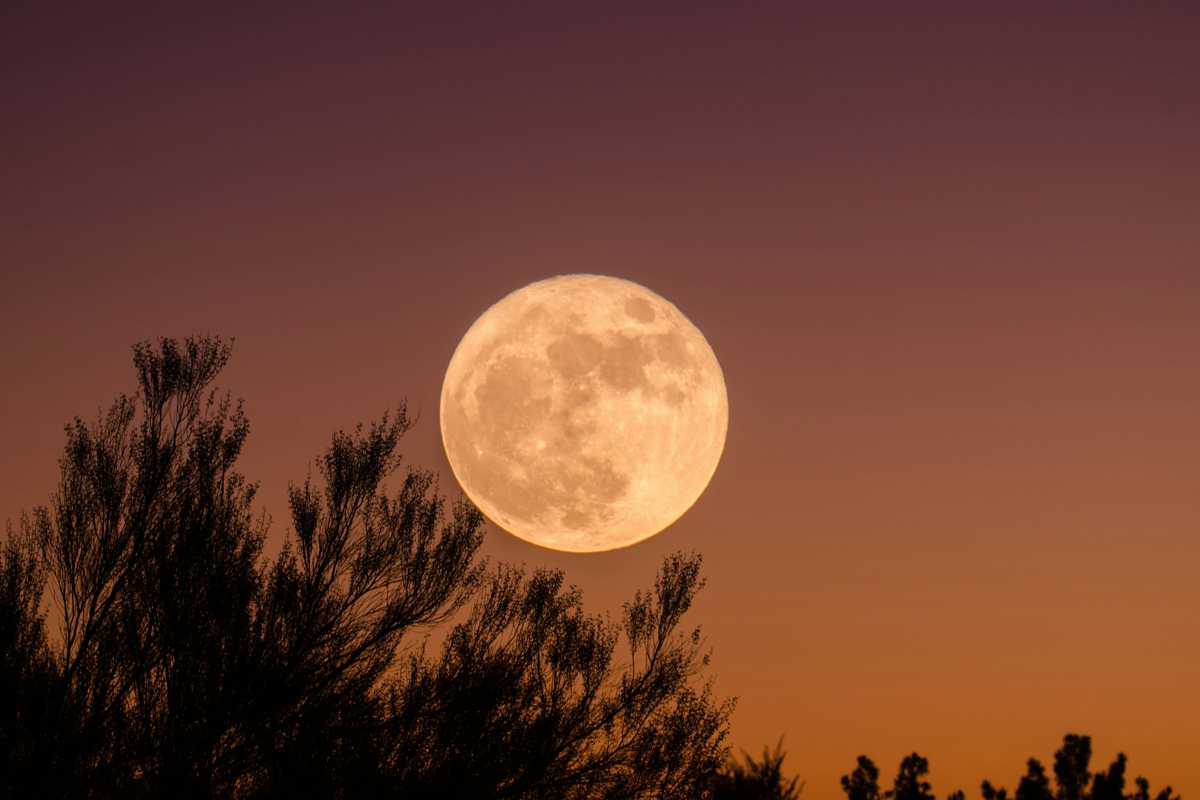
The Beaver Moon — Last Supermoon of 2024 — Will Dazzle Skywatchers Soon: Here's When To Look Up
Local skywatchers, mark your calendars. The final supermoon of 2024 — known as the Beaver Moon — will light up the night sky this week. The moon will reach peak brightness at 4:29 p.m. EST on Friday, Nov. 15, and promises to be one of the brightest nighttime displays of the year, according to USA Today. Related: Fireball Lights Up East Coast Sky, Captivating Thousands Click here to find out exactly when the moon will be at its most encouraging where you live. A supermoon occurs when the moon is full and closest to the Earth in its orbit, according to N…
News
Total Solar Eclipse: Here's What To Expect To See By Minute, Zip Code
What's being called the most visible eclipse for the United States in 100 years is just a day away, but you won't have to wait until Monday afternoon, April 8. Click here for a new, updated story - Total Solar Eclipse: Here's Brand-New Cloud Cover Forecast, Timing By Zip Code A total solar eclipse happens when the moon passes between the sun and the Earth, completely blocking the face of the sun. The sky will darken as if it were dawn or dusk. According to NASA, totality will start on Monday around 1:07 p.m. Eastern time in Mexico and leave Maine around 3:30 p.m. Eastern time. While mos…
News
These Places Will Be Best To View 'Most Visible Eclipse For US In 100 Years': Here's When
It won't be long now. In just over two months, what's being called the astronomy event of the decade will occur when a total solar eclipse will cross North America, passing over Mexico, the United States, and Canada. Mark your calendar now for Monday, April 8 with four-minute totality duration beginning at 3:13 p.m. Eastern time. A total solar eclipse happens when the moon passes between the sun and earth, completely blocking the face of the sun and the sky will darken as if it were dawn or dusk. According to space.com, it will be "the longest and most visible for the US in 100 years," w…
Weather
Perseid Meteor Shower To Reach Peak Soon
Look up! The 2021 Perseid meteor shower is set to reach its peak later in August. Space.com reported that while the meteor shower was set to last from Sunday, July 25 through Wednesday, Aug. 18, it will reach its peak on the night of Thursday, Aug. 12. The site said people in Eastern Europe are in the best position to see the meteor shower, but North Americans should also have a good view of it. The peak is expected to last for about 12 hours, Space.com added. For best viewing of the most meteors, observers should choose a dark site that doesn't have haze and smoke. Learn more …
 75°
75°