

 69°
69°
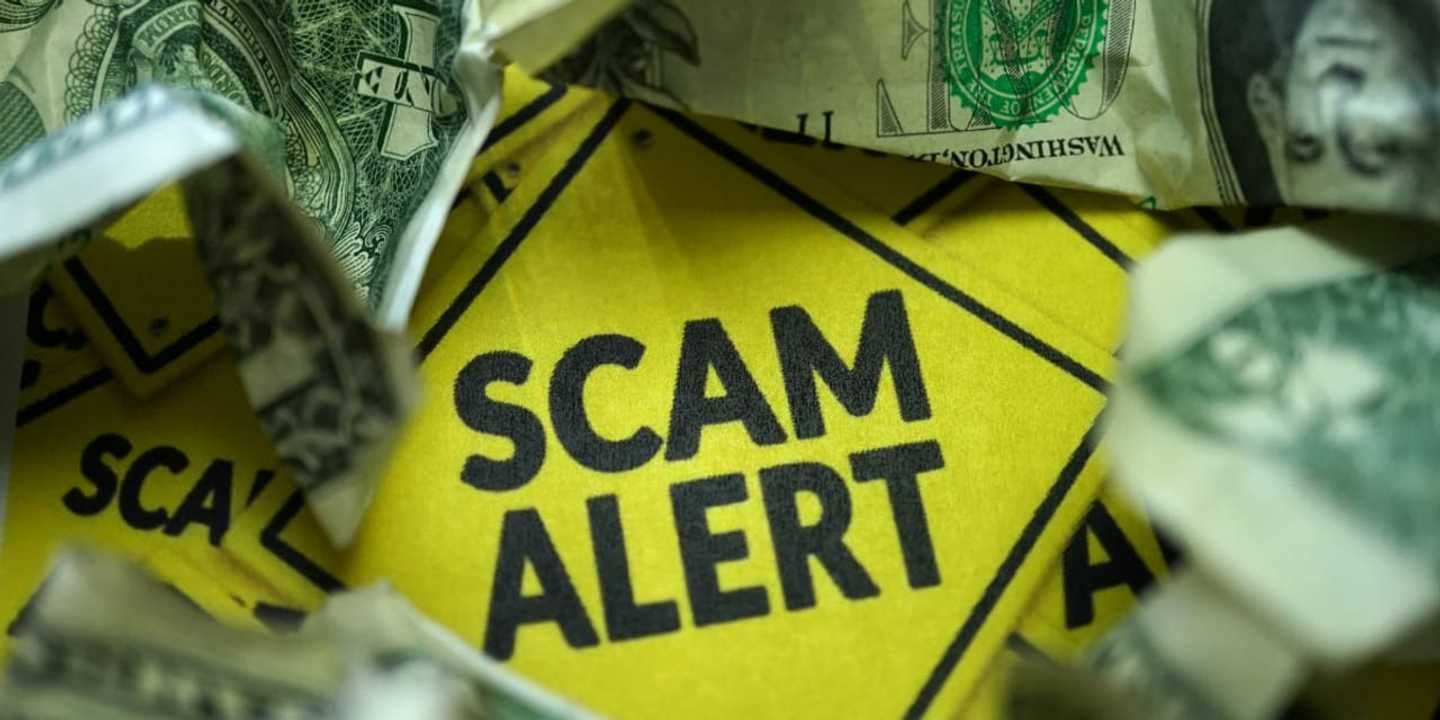

Authorities are warning that messages promising “free money” from the government are often scams, especially when they arrive by text, email, ads, or websites.
The government does not offer free money or grants for personal needs, USAGov says. Legitimate federal assistance programs do exist, but they have eligibility rules, application steps, and deadlines.
The Federal Trade Commission issued similar guidance warning consumers about fake government grant scams that promise money for bills, education, home repairs, debts, or other personal expenses.
The scam often starts with an unexpected phone call, email, text, or social media message claiming you qualify for government money.
Then comes the catch.
Scammers may ask for a Social Security number to “see if you qualify,” or request bank account information to “deposit” the money, according to the FTC.
Others demand a processing fee or other upfront payment, sometimes paid in cash, via gift cards, wire transfer, or cryptocurrency.
Consumers should not respond to government messages claiming a check is waiting. Real government agencies will not call or text to verify a Social Security number, bank account, or credit card number to release funds.
Any request for payment is another warning sign. There is no upfront fee, processing fee, or charge to receive legitimate government assistance, authorities say.
Consumers should also be wary of look-alike websites. Official government websites end in .gov, and sensitive information should only be shared on official, secure websites.
Do not click links in unexpected messages. Do not open attachments from someone claiming to be from the government. Do not give out passwords, bank details, Social Security numbers, or card numbers to unsolicited callers or senders.
Scams can be reported to the FTC at ReportFraud.ftc.gov. Cyber-enabled scams can also be reported to the FBI’s Internet Crime Complaint Center at www.ic3.gov.
Click here to follow Daily Voice Bloomfield and receive free news updates.
