Find Your Daily Voice
GO
Tag:
smishing
National Interest
Phony Texts Threaten Drivers With Suspensions: Here's What To Know
There’s a scam targeting drivers through text messages pretending to be from the DMV. Cybercriminals who once claimed victims owed unpaid tolls are now pivoting to a new phishing attack, according to authorities. If you’ve received a text message warning that your driver’s license is about to be suspended due to unpaid tickets, stop and think before you click. It might be a scam. The FBI and other law enforcement agencies are alerting the public about a new wave of phishing scams — specifically “smishing,” or fraudulent text messages — that claim to be from the Department of Motor Vehicles…
National Interest
FBI Issues Warning About 'Malicious' AI Scam: What To Know
Scammers are using fraudulent text messages and AI-generated voice messages, according to a new warning from the FBI. Since April 2025, malicious actors have been impersonating senior US officials to target individuals, particularly current and former federal and state government officials and their contacts. Details The fraudsters are using text messages and AI-generated voice messages, known as smishing and vishing, to establish a false sense of rapport before attempting to access personal accounts. One common tactic involves sending a malicious link disguised as a request to tran…
National Interest
Don't Fall For This
Ez-p
ass Text Scam
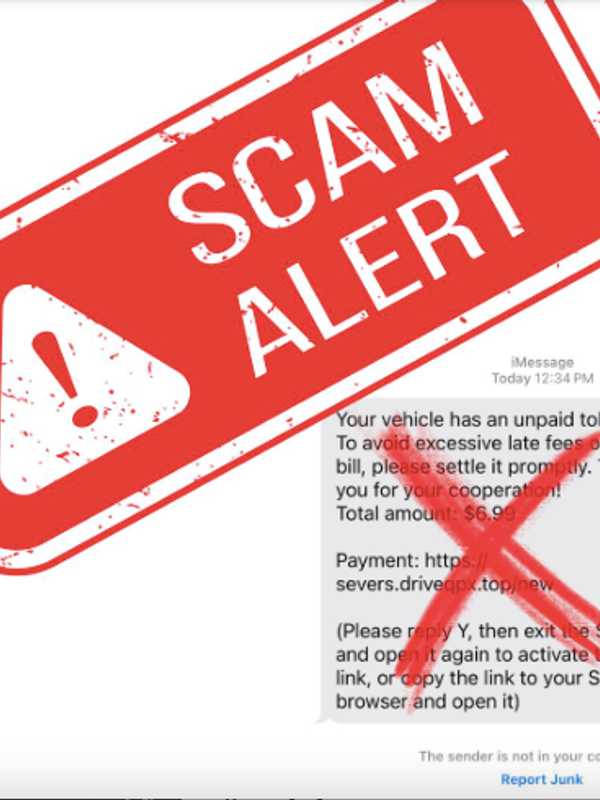
Fraudulent text messages pretending to be from E-ZPass are alarming users with false claims of unpaid tolls and directing them to a deceptive payment website. Authorities are urging the public to remain vigilant and avoid clicking any links contained in these messages. These fake texts are often sent from an international number and request the consumer to reply with "Y" to receive a link to a counterfeit payment portal in an attempt to steal personal information and funds from unsuspecting individuals. This smishing tactic is designed to steal personal information and funds fro…
Kingston, NY
Breaking News
Alert Issued For Scam USPS Package Delivery Postponed Texts
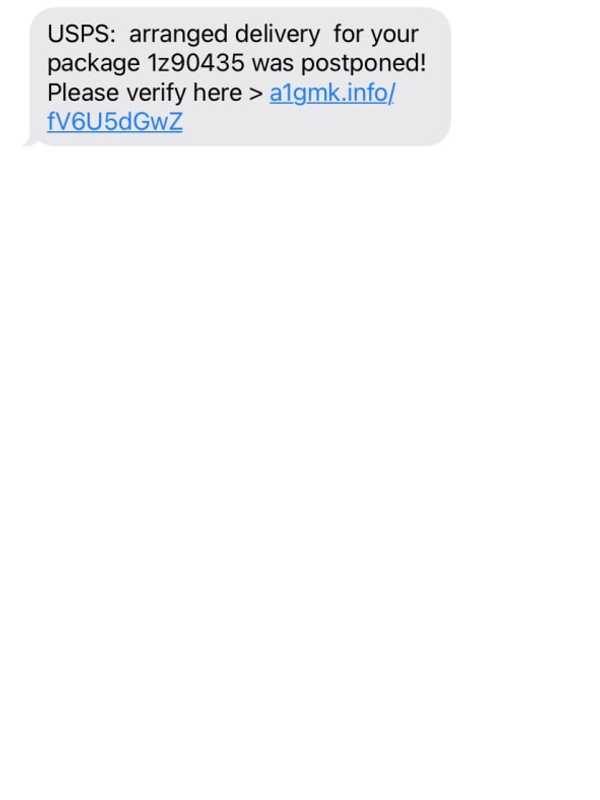
Law enforcement officials are cautioning of a new text message "smishing" scam that involves phony messages being sent from fraudsters posing as members of the US Postal Service (USPS). Alerts have been issued by state and federal officials following recent reports from consumers who have received messages claiming to be from USPS about a change in delivery shipment. The messages typically include a link that could potentially expose one to scammers looking to steal personal identifying information. Many who click the phony link have wound up being hacked or prompted to provide new informat…
Shelton, CT
Breaking News
Warnings Issued For Text, TV 'Smishing' Scams
Officials are warning of new “smishing” scams that have been making the rounds. The Federal Trade Commission issued an alert cautioning consumers of new scams that have been using text messages, not the traditional emails. One such scam involves the fraudster offering to provide major savings on television services. The scams involve the victims sending back personal information, or infecting devices with malware. According to the Better Business Bureau, this new scheme is called “smishing” which stands for SMS fishing, as opposed to “phishing,” which involves email. “We’re kind of condit…