-

by
Joe Lombardi
National Interest
Two marquee celestial moments will headline late September, giving stargazers a bright planet to admire and a seasonal reset back on Earth. Forecasters say Saturn will hit its brightest night of the year on Sunday, Sept. 21, followed by the autumnal equinox at 2:19 p.m. Eastern Time on Monday, Sept. 22.Sunday, Sept. 21: Saturn At Opposition (Brightest Of 2025)At opposition, Earth sits ...
-
by
Joe Lombardi
National Interest
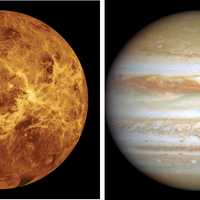
Skywatchers are in for a two-part cosmic spectacle: a rare Venus-Jupiter pairing followed by the peak of the Perseid meteor shower. Tuesday, Aug. 12 will dawn with brilliant Venus sidling up to mighty Jupiter in the eastern twilight, and by nightfall the year’s most dependable meteor show will be streaking overhead.The planetary rendezvous starts around 4 a.m. local time when Venus, the ...
-
by
Joe Lombardi
National Interest
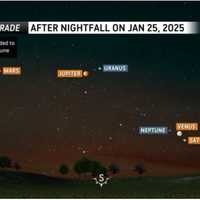
Skywatchers, get ready for an unforgettable weeks-long celestial spectacle.This rare phenomenon, nicknamed the "Parade of Planets," offers a unique opportunity for viewers to observe multiple planets in the night sky.What to ExpectShortly after sunset through mid-February, the six planets -- Jupiter, Mars, Neptune, Saturn, Uranus, and Venus -- will align across the night sky. "Venus, ...
-
by
Joe Lombardi
National Interest
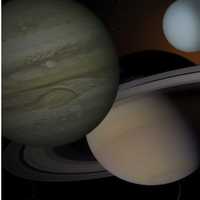
A rare celestial phenomenon is about to light up the heavens, offering skywatchers a chance to marvel at the dynamic beauty of our Solar System. This February, a "Parade of Planets" will see all seven of Earth’s planetary neighbors align in a dazzling display.The main event occurs on Friday, Feb. 28, when Saturn, Mercury, Neptune, Venus, Uranus, Jupiter, and Mars will appear in the ...
-
by
Joe Lombardi
National Interest
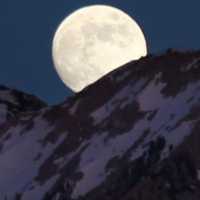
Skywatchers are in for a rare treat as January’s Full Wolf Moon aligns with Mars in a celestial event called a lunar occultation. On the evening of Monday, Jan. 13, the Moon will pass directly in front of Mars, temporarily hiding the planet from view in a stunning display visible across much of the world.When To WatchThe Full Wolf Moon will reach peak fullness at 5:27 p.m. EST on Jan. ...
-

by
Jon Craig
Breaking News
If you've never seen Jupiter, you'll get your best chance in 59 years tonight, officials say.With a good set of binoculars, the giant planet should be the second brightest image in the sky after the moon for several nights, NASA said on its blog.Stargazers can expect excellent views of Jupiter the entire night of Monday, Sept. 26 when the giant planet reaches opposition, NASA said.From ...


